

Water under the bridge
-
- from Shaastra :: vol 05 issue 02 :: Feb 2026
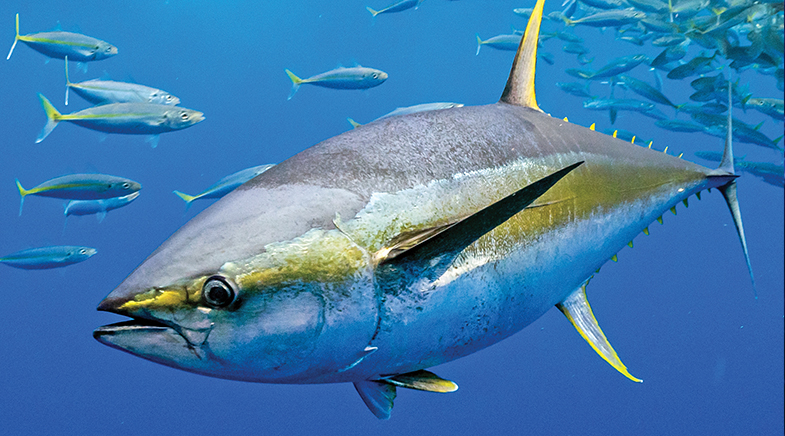
A treaty to protect oceans comes into effect after years of negotiations.
With the enforcement of the 'High Seas Treaty', the world has turned the tide on ocean protection. So far, 85 countries have ratified the treaty, which came into effect on January 17, 2026. India, a signatory, has yet to ratify it.
The Agreement under the United Nations Convention on the Law of the Sea on the Conservation and Sustainable Use of Marine Biological Diversity of Areas beyond National Jurisdiction (BBNJ Agreement), as the treaty is officially known, was adopted in 2023 after nearly 20 years of negotiations. For it to become legally binding, at least 60 countries had to ratify it — a milestone achieved in September 2025.
The 'high seas' — international waters beyond any individual country's jurisdiction — cover about two-thirds of all oceans. Only about 1% of the high seas is effectively protected, leaving the majority open for resource extraction by nations with the technological capacity to operate in these deep waters. This impacts fisheries and livelihoods in the neighbouring national waters, the exclusive economic zones.
The Global Biodiversity Framework aims to conserve and manage, by 2030, at least 30% of marine and coastal areas — a goal that the treaty will help achieve. The treaty itself targets four key issues: fair and equitable sharing of benefits from marine genetic resources, designating parts of the high seas as marine protected areas, transfer of marine technology, and environmental impact assessments for ocean activities.
"This is just the starting point, although it is the culmination of lots of talks and negotiations," says Divya Karnad, Associate Professor of Environmental Studies at Ashoka University, Sonipat, and Senior Lecturer at the University of Exeter, U.K. "The specifics or the details haven't really been ironed out."
The legally binding instrument will protect the high seas from exploitation.
Karnad thinks that India may benefit from the treaty as "the majority of our ocean use is very nearshore". Important migratory fish such as tuna, she continues, are caught in international waters before they can enter Indian waters. Regulations under the treaty might allow these fish to migrate, ensuring fair use and protection of the commons.
Other than declining fish stocks, the oceans are suffering from the impacts of climate change and marine pollution. "Much of the plastic pollution that enters the ocean directly is related to fishing activities and redistribution of fishing effort under the treaty will have implications for the release of fishing-related waste to the oceans," says Richard Thompson, Professor of Marine Biology at the University of Plymouth, U.K.
See also:
Richard Thompson on ways to address the plastics pollution problem
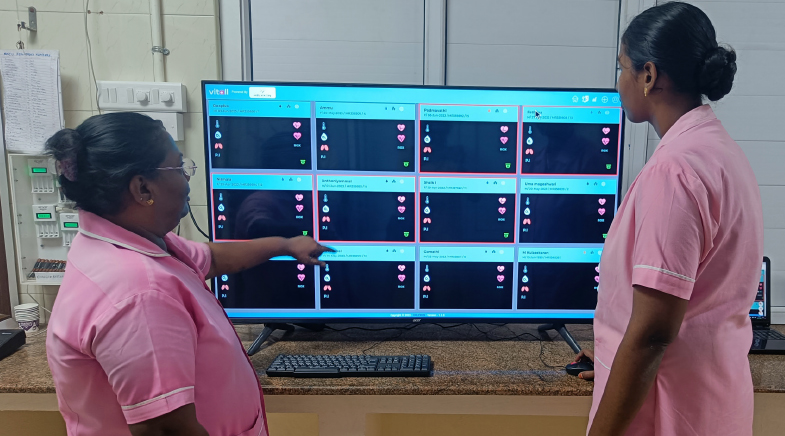








Medtech marvels
Contactless remote monitoring, smart ICUs, and AI-enabled diagnoses are helping hospitals overcome shortages of physicians and beds.


The drones business is soaring
The drones applications industry is soaring. Now, the focus has turned to regulation.




Have a
story idea?
Tell us.
Do you have a recent research paper or an idea for a science/technology-themed article that you'd like to tell us about?
GET IN TOUCH