

When fowl gets fair
-
- from Shaastra :: vol 05 issue 03 :: Mar 2026
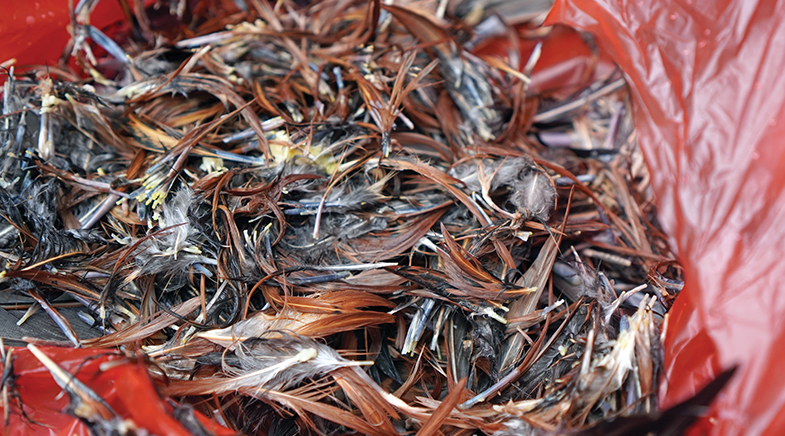
How to turn chicken feather waste into valuable biomaterials.
Hidden within mountains of waste chicken feathers is an untapped treasure: keratin, a durable structural protein with enormous industrial potential. A team at the Institute of Chemical Technology (ICT) in Mumbai has developed a sustainable method to unlock this resource. ICT scientist Ananda J. Jadhav and his colleague, Akash R. Kalbande, have designed a system that can transform stubborn feather waste into valuable biomaterials: amino acids such as glycine and serine, which are used in nutraceuticals, cosmetics and animal feed (bit.ly/Feather-Treasure).
Chicken feathers pose a serious challenge for waste management. They are typically dumped in landfills, incinerated, or converted into low-value products through energy-intensive industrial processes. The global poultry meat output reached 146 million tonnes in 2023; feathers account for 10% of the birds' live weight, making their safe disposal a pressing problem.
These feathers are made mostly of keratin — the same protein that forms human hair, nails and wool. Keratin’s remarkable strength comes from its tightly packed molecular structure and strong disulphide bonds that hold the protein chains together. This makes feathers highly resistant to natural degradation. Traditional feather-processing methods aim to overcome this resistance by subjecting waste feathers to high temperatures, strong chemicals, or high-pressure steam. While effective, these techniques often consume large amounts of energy and degrade the useful proteins into low-quality products.
Protic ionic liquids can penetrate rigid keratin structures and loosen the network of chemical bonds that give feathers their strength.
In the new strategy, feathers are treated with protic ionic liquids — a class of salts which remain liquid at relatively low temperatures — so that the liquids can penetrate the rigid keratin structures and loosen the network of chemical bonds that give feathers their strength. The treatment does not completely destroy the protein but opens up the structure, making it easier to process it. The scientists then use keratinase, enzymes produced by certain bacteria and fungi, to break down keratin into smaller building blocks, such as amino acids and peptides. "The quality of amino acids produced through the enzymatic method is far superior to that recovered through conventional methods where strong chemicals are used," says Jadhav. The team currently taps only glycine and serine — two predominant amino acids found in poultry feathers.
The scientists also demonstrated that the protic ionic liquids could be recovered and recycled, making their use environmentally sustainable.
"The work indeed looks innovative. It may work well to produce useful amino acids for the pharma and nutraceutical industries. But mass market applications such as biopolymers and biofertilisers may not work as operational costs are going to be high," says Sarthak Gupta, Co-founder and Chief Executive Officer of NovoEarth, a start-up that has developed a technology to convert chicken feather waste into compostable plastics (See 'Fantastic plastics!', bit.ly/Shaastra-Feathers).








Decoding graphene's quantum soup
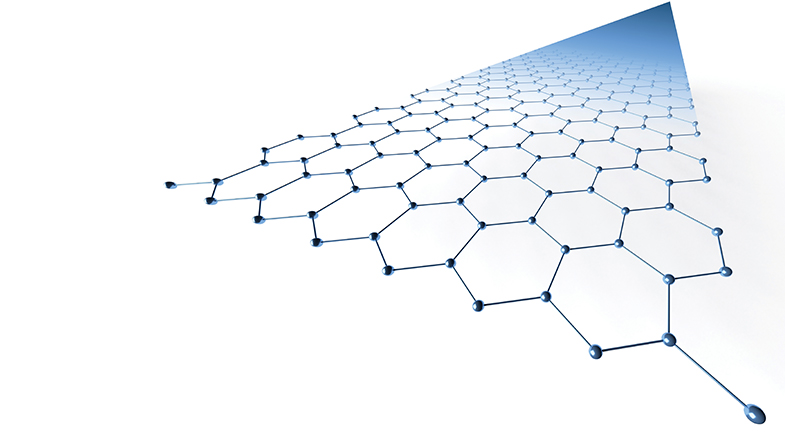
Ultraclean graphene can flow like a liquid and upend a fundamental law of electrical and thermal conductivity.

Star spotter
A Scottish immigrant, once a housekeeper, found hundreds of celestial objects.



Have a
story idea?
Tell us.
Do you have a recent research paper or an idea for a science/technology-themed article that you'd like to tell us about?
GET IN TOUCH