

In perfect shape
-
- from Shaastra :: vol 05 issue 07 :: Jul 2026
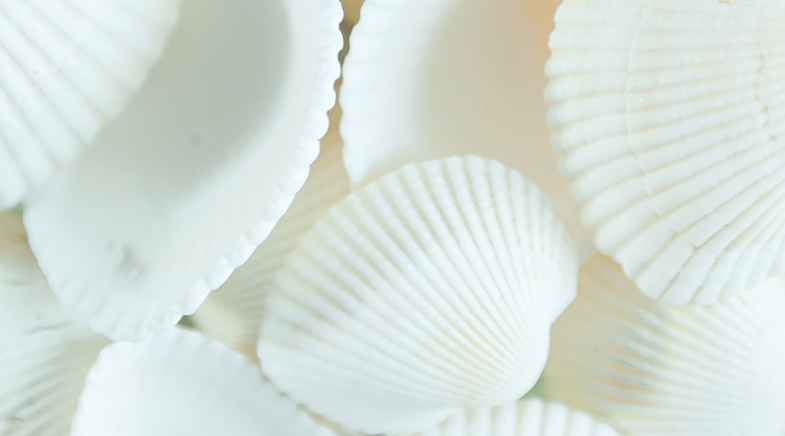
Technology is enabling the use of fractal geometry, long confined to theory.
A walk on a sandy beach calmed and intrigued Chandra Sekhar Tiwary in equal measure. The sound of waves soothed his senses, while the multiple seashells scattered around stoked a nagging question in his mind. He wondered why nature, a thoughtful and uncomplicated sculptor, chose such a complex geometry — across scales — for some marine creatures. He resolved this query while working as a research scientist at Rice University in the U.S. in 2014. A 3D printer enabled him to replicate the complex seashell structure in the laboratory. He learnt that the complex geometry helped protect the organism inside the shell — and the shell's shape played a pivotal role in that protection.
Like Tiwary, people for centuries have been intrigued by these geometries seen in seashells, romanesco broccoli, blood vessels, fern fronds, river networks, snowflakes, pine cones, lungs and so on. In the 20th century, with the spread of powerful tools, scientists dissected this geometry in different systems, and its advantages became known. They realised, for instance, that lungs and roots repeatedly branch out at set intervals to maximise their surface area within a limited space, enabling an efficient gas or nutrient exchange. Tree branches, blood vessels, and river systems do so, too, at certain intervals to distribute fluids widely with minimal energy. In 1975, mathematician Benoit Mandelbrot named this nature's geometry 'Fractal', which means fractured or broken. He chose this name as this geometry defies the rule of regular geometry.
PAST ISSUES - Free to Read








Cheaper, better cancer cure
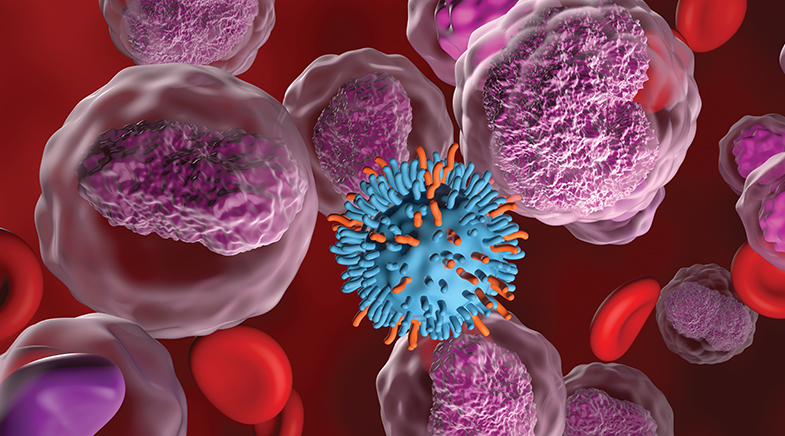
CAR-T therapies for cancer debut in India at a pocket-friendly cost.

Do the math
A neural study on children doing sums throws up some surprises.
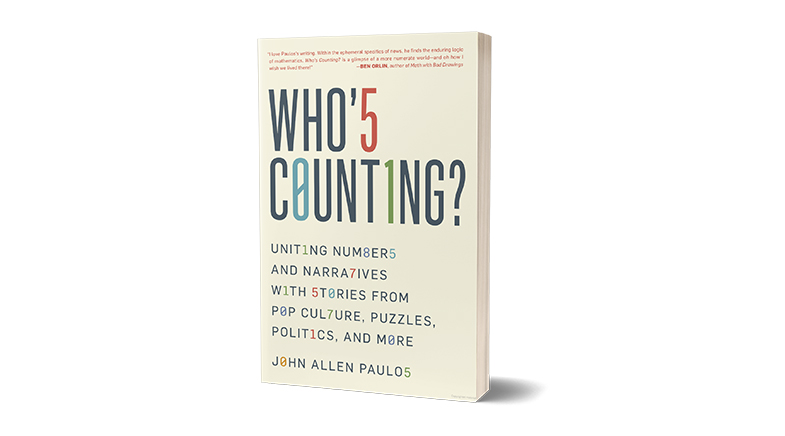
Strength in numbers
Paulos links politics, puzzles and probability — and lies, logic and religion — to tell us how we may become better citizens by acting on the connections.…


Have a
story idea?
Tell us.
Do you have a recent research paper or an idea for a science/technology-themed article that you'd like to tell us about?
GET IN TOUCH