

Powering the future...
-
- from Shaastra :: vol 04 issue 11 :: Dec 2025
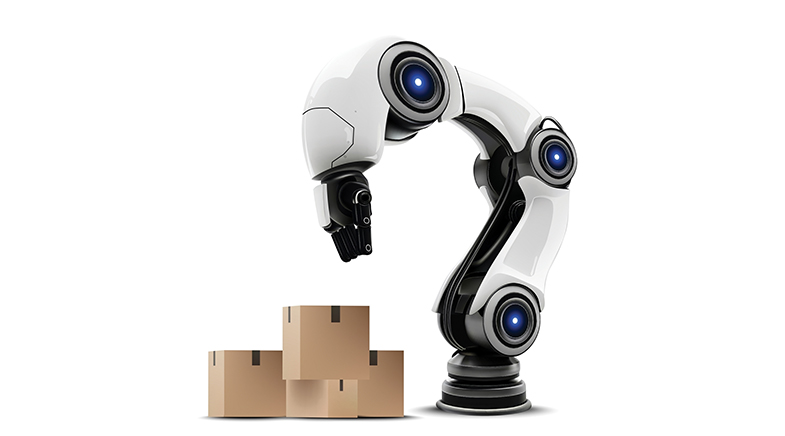
...with robots, safe EV batteries and compostable plastic.
UNBOX ROBOTICS
Founders: Pramod Ghadge and Shahid Memon
Year: 2019
Big idea: Building robots for sorting parcels in warehouses
Pramod Ghadge's stint in automating supply chains at an e-commerce marketplace made him aware of the gaps in warehouse automation. Ghadge, who had done his Master's in Industrial and Systems Engineering from Singapore, sought to plug the holes by building a solution that would automate supply chains efficiently with robots sorting out parcels in warehouses. So, with Shahid Memon, whom Ghadge had met at a programme for entrepreneurs, he set up Unbox Robotics in 2019. Memon, who had earned his Master's in Autonomous Robotics Engineering from the University of York, had expertise in multi-robot systems, while Ghadge's specialisation was in manufacturing and warehouse automation.
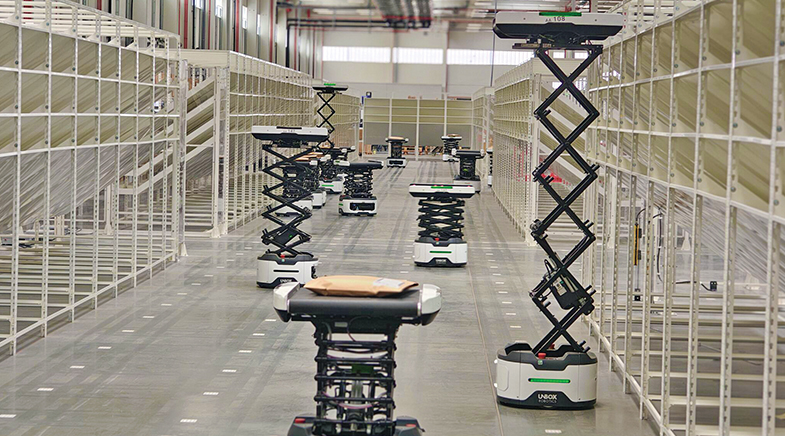
After three years of R&D, the start-up was ready with its product. The robot, now being sold to customers in India and abroad, can be used in small, medium and large warehouses. Easy to deploy, it occupies less space than units needed for traditional sorting methods and substantially reduces the workforce required. The robot consists of three parts: the bottom part contains the navigation system, obstacle detection system, battery, charging dock and motor drives. The lifting mechanism is a scissor lift with an electric actuator that enables the lift to move up and down. The robot can rise to eight feet and has precise dropping points. The top part consists of the conveyor and a sensor, which detects whether the package has been properly placed, and where it has to be delivered.
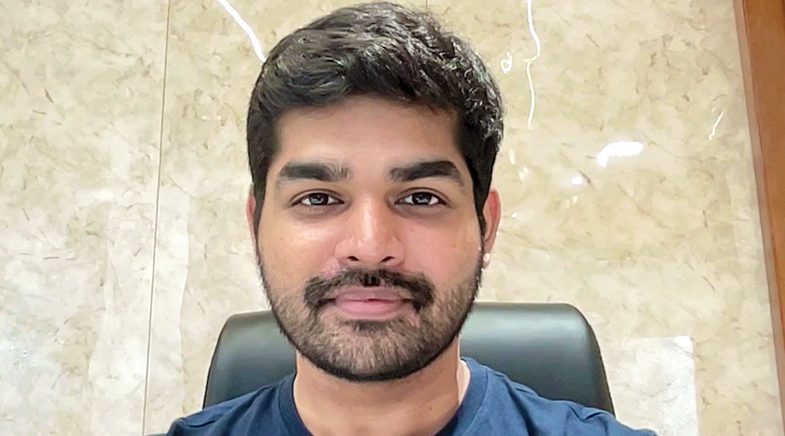
"We manufacture our own robots, build the software and the firmware," says Ghadge. Most of its customers are logistics players, e-commerce marketplaces and large retailers with their own warehouses. According to Ghadge, the global market has been growing, and today accounts for 85% of their business. Most of their overseas business comes from Europe.
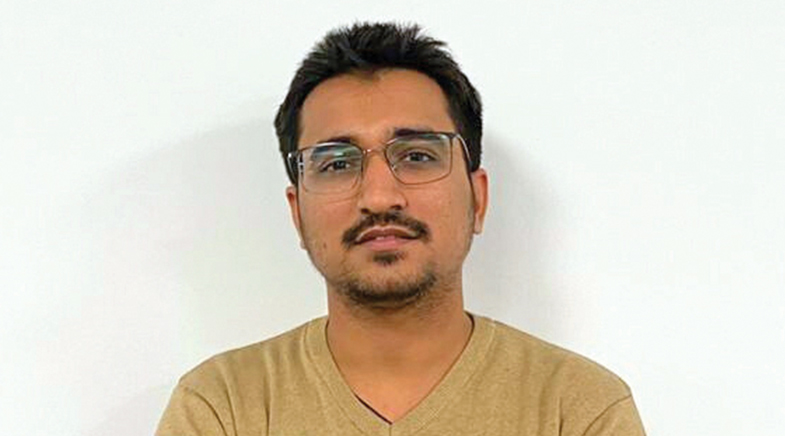
He adds that the global sorting market is worth $80 billion, and almost 1 trillion packages are sorted every year globally. He points out that as 70-80% of warehouses are still manually operated, there is ample scope for growth. "As e-commerce grows, sorting will grow," says Ghadge. Based in Pune, the company can produce between 250 and 300 robots per month. Most of their business is currently through outright sales, with a few customers opting for a robot-as-a-service model.
BATTERY OK TECHNOLOGIES
Founders: Shubham Mishra and Ajay Vashisht
Year: 2019
Big idea: To develop a device to analyse the health of EV batteries
Shubham Mishra had his eureka moment when he saw a mechanic handle the battery pack of an electric vehicle (EV) with his bare hands. The mechanic explained that he did so because if there was a problem with the battery, it would heat up excessively, and his hands would feel the heat. Mishra, who holds a Bachelor's degree in Electrical Engineering and a Master's in Energy Infrastructure, believed it was a risky method for checking the status of an EV battery and sought to develop a safer and more effective solution.
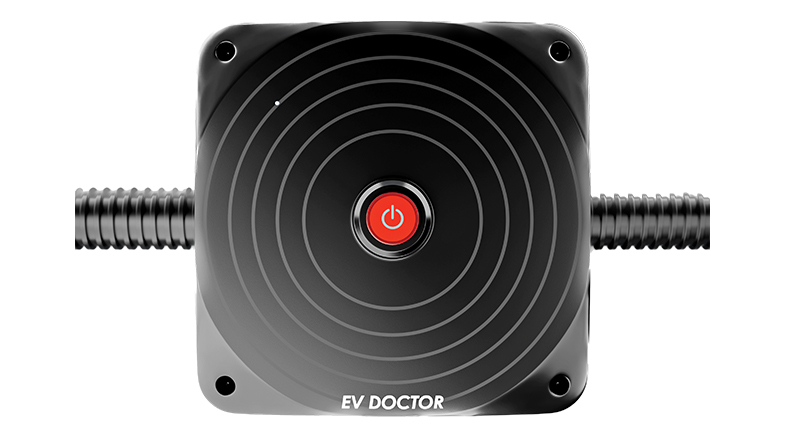
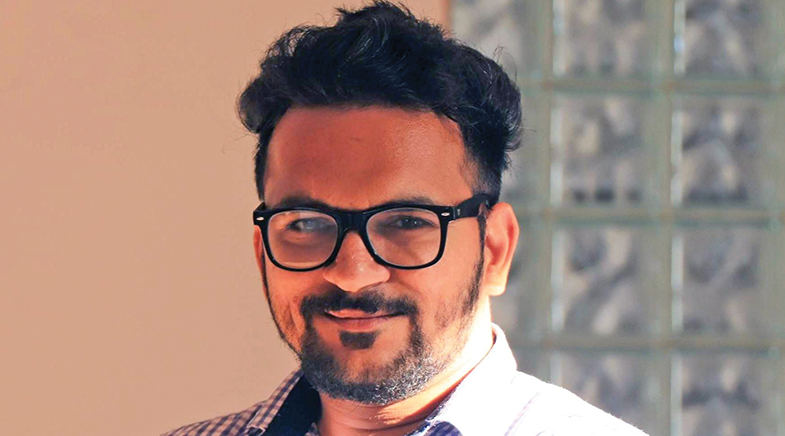
Mishra and Ajay Vashisht — the two had together attended classes for engineering college entrance exams — had earlier set up a venture to produce electric bikes. With Vashisht, who had done his Bachelor's in Electrical Engineering and Master's in Instrumentation and Control, Mishra decided to pivot on building a device that would check the health of an EV battery. EV Doctor is their first product.
The start-up conducted thermal runaway tests to collect data and trained its machine learning model for rapid battery diagnostics. It took them three years to develop EV Doctor as it involved significant data training, validation and testing. Battery OK Technologies uses defence-grade current and voltage sensors.
EV Doctor, Mishra says, measures a spectrum of values, including battery voltage, current, and time, DCIR (Direct Current Internal Resistance) characterisation, and voltage current profiling. If there is lithium plating in the battery, DCIR values will reflect the formation of dendrites or the chances of thermal runaway. The product is connected between the battery and the charger, and the vehicle's battery is charged through it.
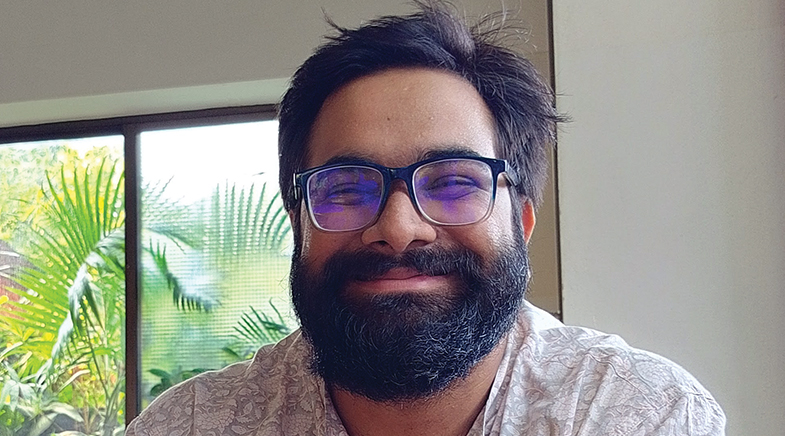
Battery OK Technologies commercially launched EV Doctor at the end of 2022. The company's customers include both EV workshops and vehicle original equipment manufacturers (OEMs). The OEMs take the device for their own R&D and then provide it to their authorised service centres. A device costs about ₹5,000, and Battery OK Technologies charges ₹100 for a test. The readings are recorded and sent to the cloud, where the company's proprietary algorithm analyses the readings and provides a report within 15 minutes. The company has sold the product in Mexico, China, Vietnam and Mauritius. It can produce up to 1,500 units a month at its plant in Gujarat, with capacity set to increase to 5,000 units a month. The company is also developing allied products, such as home and industrial energy technology solutions, through a new venture called Energy AI Labs.
TGP BIOPLASTICS
Founders: Indrajeet Nikam, Karan Chavan and Tejas Zagade
Year: 2019
Big idea: To develop compostable plastic from corn starch for packaging and other purposes
As a class project in his final year of Mechanical Engineering at the Rajarambapu Institute of Technology, Sangli, Maharashtra, Indrajeet Nikam created carry bags made of biodegradable plastic. He decided to take the idea forward after graduating, teaming up with his Electrical Engineering batchmate Karan Chavan, and Tejas Zagade, a student of Mechanical Engineering.
The three found that corn starch was abundantly available in the vicinity of their college and studied it as a possible raw material for compostable plastic. They worked on it in their college laboratory and tested the material at the Central Institute of Petrochemicals Engineering & Technology. In early 2019, they achieved lab-scale success. That is when they decided to form a company. TGP Bioplastics — TGP stands for The Green Project — was incubated at their college.
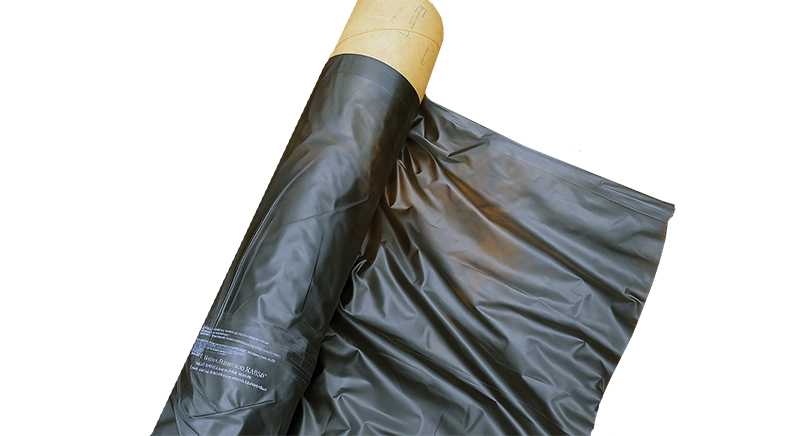
According to Nikam, their initial plan was to use corn starch to make granules used as raw material for packaging films and carry bags. Since the granules were being imported then, Nikam says they decided to produce the bags and packaging films from scratch. They tested out their product with clients. Among them was a multinational automobile company looking to replace the plastic it used in its packaging with a sustainable material. TGP Bioplastics supplied them with their compostable plastic films. This was the beginning of more such orders, including from other automobile companies and international retail brands. "One of the raw materials we use is corn starch. It is called thermoplastic starch (TPS). We have a proprietary technology. We source corn starch from nearby factories, add some biochemicals, mix them and make granules or bags and film," says Nikam. Corn starch, he adds, is readily available in India.
PHOTO: BY SPECIAL ARRANGEMENT
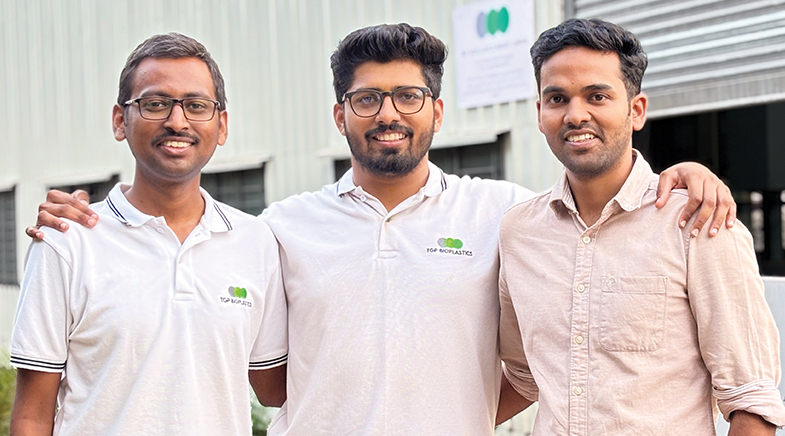
TGP Founders (from left) Indrajeet Nikam, Tejas Zagade and Karan Chavan
TPG Bioplastics produces films for wrapping and packaging, and for bags to replace single-use plastics. It has begun producing mulch films that are used in agriculture. The company tested bioplastic mulch films, which farmers bury in the soil to enhance soil health, on nearby farms. The response, he says, was good, and the farmers were happy with the mulch as it was compostable. Another of the company's products is stretch film for industrial applications. The company has the capacity to produce about 300 tonnes of compostable plastic films a year and plans to double this at its facility in Sangli.
The company will shortly launch bioplastic films for electronic component packaging, which requires anti-static bags. According to Nikam, there is a market for compostable plastic for all purposes. India alone consumes more than 25,000 tonnes of plastic a day for packaging purposes, he adds. The European Union is the largest market for compostable plastic, and the company plans to expand into the region.








World of research: September 2026
A round-up of some recent striking studies.

Death in the air
A humanistic perspective of the challenges posed by TB, a global killer that is more lethal than COVID-19.

How to bridge a gap
Sensors and AI are giving a boost to structural health monitoring.


Have a
story idea?
Tell us.
Do you have a recent research paper or an idea for a science/technology-themed article that you'd like to tell us about?
GET IN TOUCH