

Discovery of young fossils may tell an ancient story
-
- from Shaastra :: vol 05 issue 05 :: May 2026
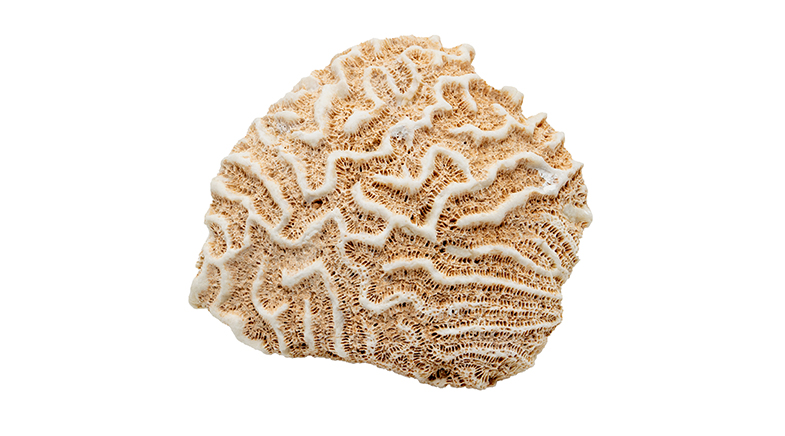
Does a marine fossil bed hold answers to climate change?
Panaiyur is a small village in Tamil Nadu's Thoothukudi district, around 5 km from the coast. Till torrential rains in 2023 washed away large chunks of the topsoil, there wasn't much of note in this agricultural village. Then the rains exposed a cache of marine fossils — and the village drew the attention of palaeontologists and the public. The discovery of the fossils, 8,000-12,000 years old, was made public by the government in April 2026.
The fossils were uncovered from a dry, uncultivated part of the village. A local archaeology enthusiast, P. Rajesh Selvarathi, was the first to recognise the antiquity of the deposits and to alert the authorities.
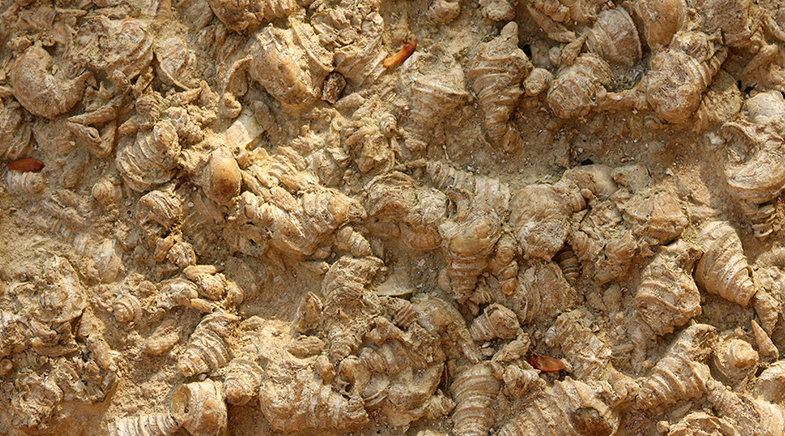
The Zoological Survey of India (ZSI), which investigated the site in January 2026, noted that the marine fossils, mainly gastropods, molluscs, and bivalves, form a fossil bed spanning one hectare. "Palaeontologically, they are rather young, but even a preliminary survey of the deposits tells us that they hold clues to climate changes during the Holocene," says ZSI's Palaeozoology unit head Chelladurai Raghunathan, who headed the survey. The Holocene is the current geological epoch that began 11,700 years ago, towards the end of the last major ice age.
The marine fossils, mainly gastropods, molluscs, and bivalves, form a fossil bed spanning one hectare.
"We noted that many of the fossils are of species that still exist around the Gulf of Mannar; however, the present ones are at least 50% smaller in size than their fossilised ancestors. The changes are climate-related," he says. The scientist points out that there have been numerous archaeological finds in Tamil Nadu, but fossil beds are rare.
Suman Sarkar, a marine palaeontologist at the Birbal Sahni Institute of Palaeosciences, Lucknow, says that the bed is very "young" as far as fossils go. "However, it is from an important geological time, the start of the Holocene. There may also be several microfossils in the deposits, which can help reconstruct the palaeo-environment of the region. Several researchers would like to explore further," he says.
Palaeontologists are keen that such sites be protected. At present, there is no regulation for safeguarding such vulnerable areas. The Ministry of Mines introduced a draft law — Geo-heritage Sites and Geo-relics (Preservation and Maintenance) Bill, 2022 — but it hasn't progressed.








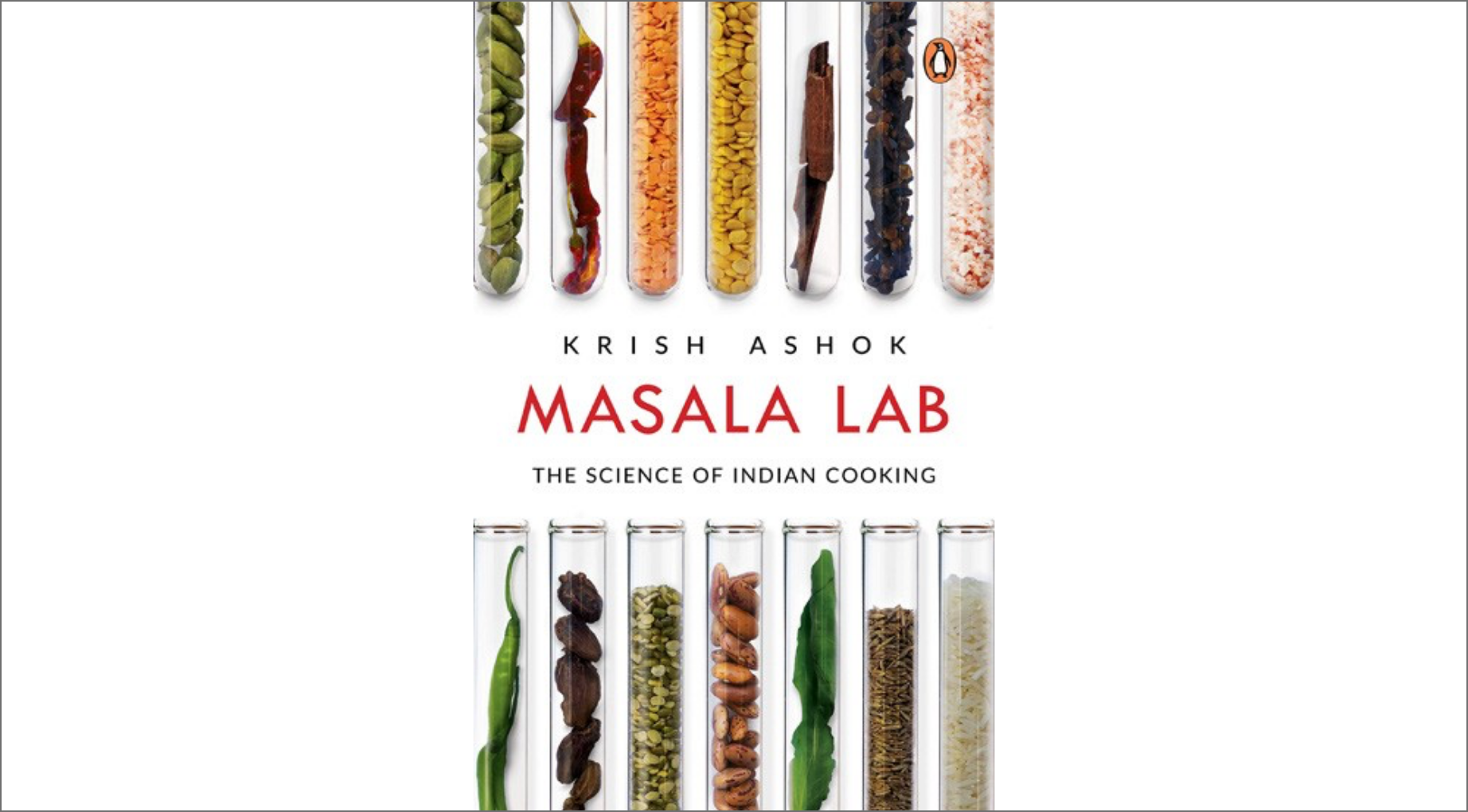
Waiter, there’s a chemist in the kitchen!
An appetising book that uses the tools of modern science to document Indian culinary traditions.
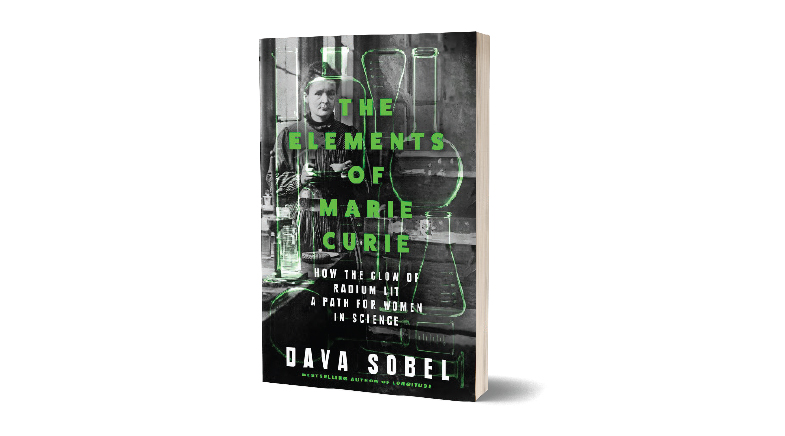
There's something about Marie!
The story of Marie Curie, the pioneering scientist, narrated through the pen portraits of 45 remarkable women she mentored.



Have a
story idea?
Tell us.
Do you have a recent research paper or an idea for a science/technology-themed article that you'd like to tell us about?
GET IN TOUCH