

Hiss-story and geography
-
- from Shaastra :: vol 04 issue 11 :: Dec 2025
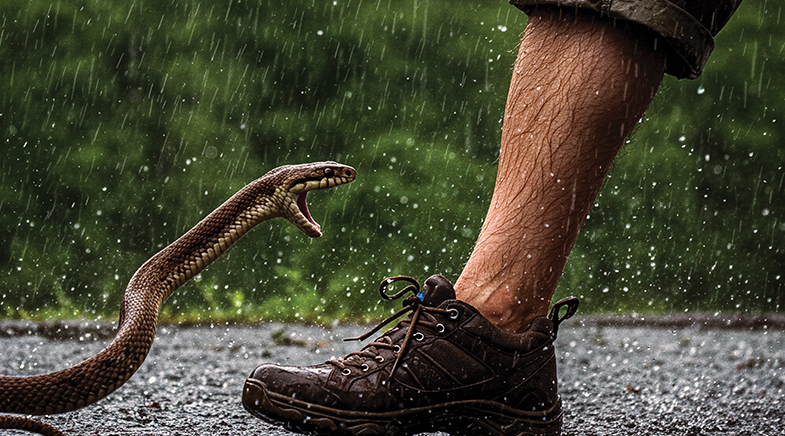
Snakes are in for a hard time in the future;
climate change may hit serpent numbers.
Climate change affects every living being, but some bear the brunt of it. Cold-blooded animals such as snakes — unlike mammals — cannot regulate their body temperatures, which affects their life processes and can lead to their extinction. A collaborative, multi-country research project predicts the effect of climate change on venomous snakes of India.
The study, published in Scientific Reports (bit.ly/Snakes-Climate), shows that, by 2070, the population of venomous snakes in peninsular States such as Karnataka, Tamil Nadu, and Gujarat will decline due to climate change. It found that the species' richness would contract in the Western Ghats, particularly in northern Karnataka and southern and eastern Maharashtra. A few pockets in central India and north-western Ghats would emerge as hotspots. Precipitation will be a significant factor in determining whether snakes expand or contract their range in a given area.
The researchers studied the distribution of 30 venomous snake species across parts of India by compiling data from citizen science portals, wildlife repositories, and social media platforms. They also assessed the expected climatic variables in 2050 and 2070 under moderate and extreme greenhouse gas emission scenarios, and modelled how the presence of these snakes would be affected by future climate variables. They warned that species such as the Andaman Krait, Andaman Cobra, and Chinese mountain pit viper might become extinct if emissions rise, as they have a small range of distribution.
The study also showed that human-snake interactions and snakebite risks from the big four snakes (Russell's viper, Common krait, Indian cobra and Indian saw-scaled viper) will increase in northern and central India.
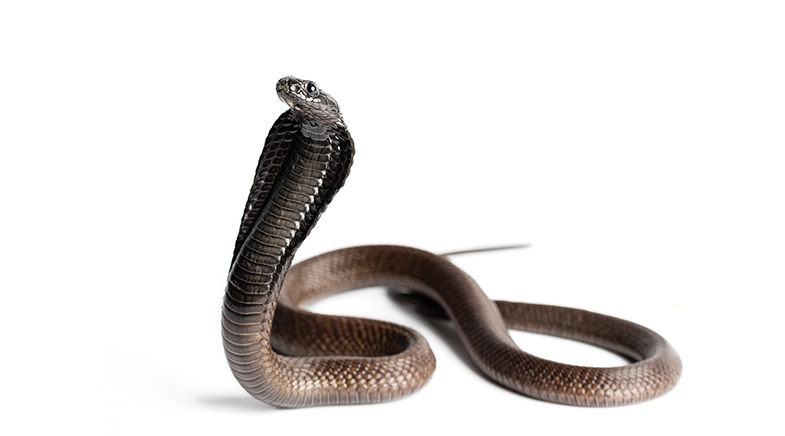
Knowing the potential locations of snakes could lead to effective anti-venom and snake management strategies, strengthening public health preparedness. Ashish Kumar Jangid, the corresponding author of the study and a Project Research Associate at the Uttarakhand-based Wildlife Institute of India, cautions that the regions that are going to see a contraction in the snake range also need to prepare, as snakes have an ecological role and their migration from their existing sites will see an increase in rodent numbers, which might affect agricultural productivity.
Kartik Sunagar, Associate Professor at the Indian Institute of Science, Bengaluru, and an expert in venomics, says that despite severe limitations, the study is a positive step towards understanding how climate change may affect snake populations.









Squashing the superbug
A platform to combat antimicrobial resistance brings together diverse stakeholders from India and the world.

Journeys in science
India’s accomplishments as seen through the prism of 30 distinguished men and women of science.



Have a
story idea?
Tell us.
Do you have a recent research paper or an idea for a science/technology-themed article that you'd like to tell us about?
GET IN TOUCH