

Chip off the old block
-
- from Shaastra :: vol 05 issue 08 :: Aug 2026
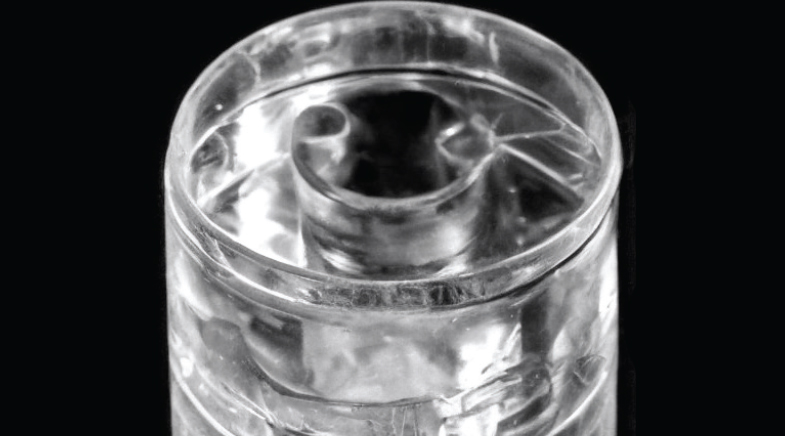
A device that mimics the human placenta may help identify pregnancy-safe drugs.
There's an organ you once had, and now you don't. The placenta, a pregnancy-specific organ, is essential to the survival of a foetus in the mother's womb. It acts as an anchor, a transporter of nutrients and waste, and a barrier that protects the developing foetus from being rejected by the mother's immune system. The placenta also produces hormones crucial for sustaining a healthy pregnancy while guarding the foetus against infection. And yet, for drug testing and disease modelling, scientific research has traditionally relied on animal models, whose placentas differ from those of humans, or on donor placentas, which can vary from one woman to another, preventing standardisation.
PAST ISSUES - Free to Read
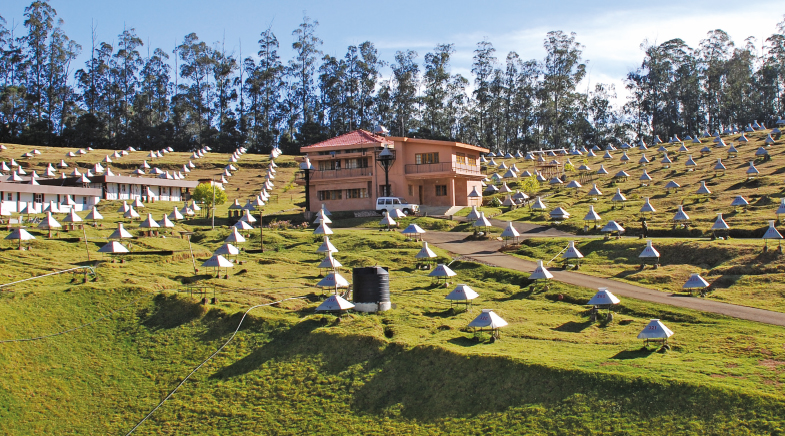








This telescope in Ooty is over the muon
CRL scientists are studying the mysteries of cosmic rays with the help of an indigenous muon telescope, the most sensitive on Earth.

Blood vs blood
The discovery of different blood groups made transfusions safe.



Have a
story idea?
Tell us.
Do you have a recent research paper or an idea for a science/technology-themed article that you'd like to tell us about?
GET IN TOUCH