

Immunity reset
-
- from Shaastra :: vol 05 issue 08 :: Aug 2026

An old TB vaccine reprograms the brain's immune machinery.
More than 30 years ago, the U.S. Food and Drug Administration approved the BCG vaccine as treatment for a common form of bladder cancer. Developed by French bacteriologists Albert Calmette and Camille Guérin in the early-20th century as a vaccine to prevent tuberculosis, BCG is widely used in countries where tuberculosis is common, although it offers only limited protection against adult pulmonary TB. However, BCG appears to work against bladder cancer by rallying the body's immune system.
In 2019, researchers in Israel documented an unexpected finding. They followed 1,300 bladder cancer patients for eight years and found that the incidence of Alzheimer's disease was 73% lower among patients who had received BCG treatment than among those who had not. Since then, studies in the U.S. have reported similar associations. And researchers in China have shown that in laboratory mice, BCG appears to suppress biological changes associated with Alzheimer's disease.
Now, a small study by researchers at Harvard University has uncovered evidence of a biological mechanism that could help explain those observations. They have found that BCG changes how immune cells behave in the cerebrospinal fluid that surrounds the brain and spinal cord, helping to explain earlier observations of a lower risk of Alzheimer's disease among people who had received BCG. Their study has also introduced a new experimental procedure to periodically track the behaviour of immune cells in the cerebrospinal fluid over time, opening a new window into how the brain's immune environment changes during ageing and in neurodegenerative brain disorders.
PAST ISSUES - Free to Read










The birds and beasts
An engrossing and educative tour of the perceptual wonderworld of animals.
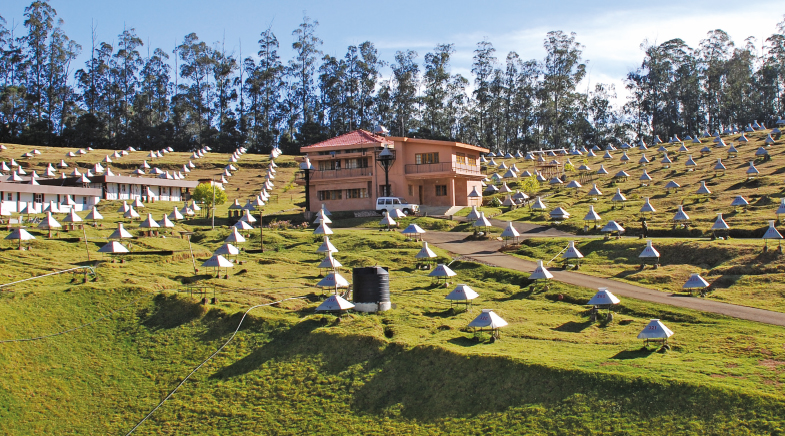
This telescope in Ooty is over the muon
CRL scientists are studying the mysteries of cosmic rays with the help of an indigenous muon telescope, the most sensitive on Earth.

Structural reforms
The construction sector in India is in the throes of big change, embracing new materials and technology.



Have a
story idea?
Tell us.
Do you have a recent research paper or an idea for a science/technology-themed article that you'd like to tell us about?
GET IN TOUCH