

In search of answers
-
- from Shaastra :: vol 05 issue 03 :: Mar 2026
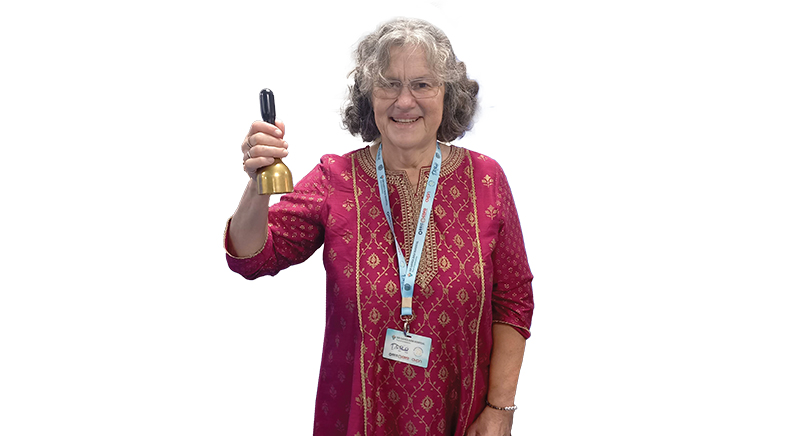
Heath experts come together with patients to get to the root of rare diseases.
For those 48 hours, nothing sounded sweeter than the chime of a bell. Each ring signalled a breakthrough on those two days (February 4 and 5) at the Hyderabad-based Centre for DNA Fingerprinting and Diagnostics (CDFD). A group of over 100 clinicians, geneticists, bioinformaticians, data analysts, and scientists had come together to participate in the Undiagnosed Hackathon. Together, they racked their brains and pooled their expertise to find the genetic reasons behind the ill health of 25 undiagnosed patients. Selected from all over India, these patients had been suffering for long — some for over a decade — without a clear diagnosis of their disease.
Collectively pooled under the category of rare diseases, each disease affects a small group of people and often runs in families. Recent estimates indicate that there are over 70 million patients with rare diseases in India. Many have no idea what ails them, let alone have access to a treatment strategy. The diseases include Huntington's disease and progeria.
The 25 patients at the hackathon were filled with hope, as the experts looked at their genetic data with fresh eyes and new tools. A diagnosis was found for eight patients. Each time the hackathon participants arrived at a diagnosis, they signalled it by ringing a bell. The bell rang seven times on February 4 and once on February 5.
The idea for the Undiagnosed Hackathon was pioneered by the Wilhelm Foundation, founded by Helene and Mikk Cederroth of Sweden, who, after losing three of their children to undetected disorders, felt the need to accelerate diagnostic discovery for undiagnosed conditions. " Researchers work in silos with their data and may have never seen a patient. Bringing them together with the patients makes them see the value of their work," says Helene Cederroth.
PAST ISSUES - Free to Read








Shape of things to come
3D biomaterial platforms are revolutionising cancer research, paving the way for personalised therapy.
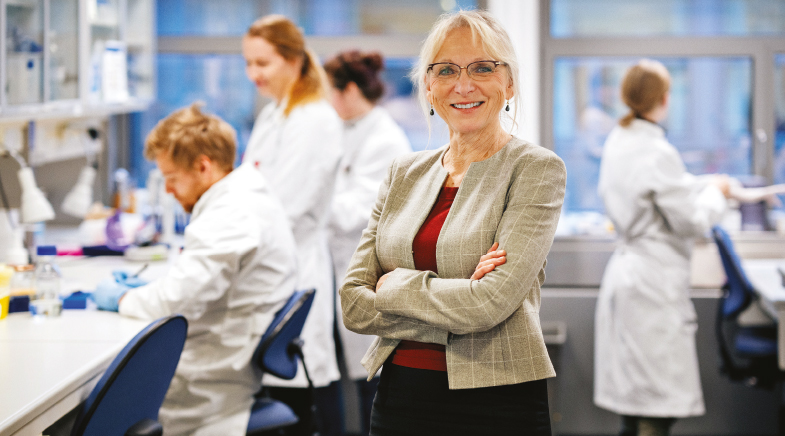

Susanne Mandrup on fat cells and human health
Biochemist and molecular biologist Susanne Mandrup on the importance of studying fat cells.

The Ayrton arc
British suffragette carried out fundamental work in electrical engineering.



Have a
story idea?
Tell us.
Do you have a recent research paper or an idea for a science/technology-themed article that you'd like to tell us about?
GET IN TOUCH