

Micro goes macro
-
- from Shaastra :: vol 05 issue 02 :: Feb 2026
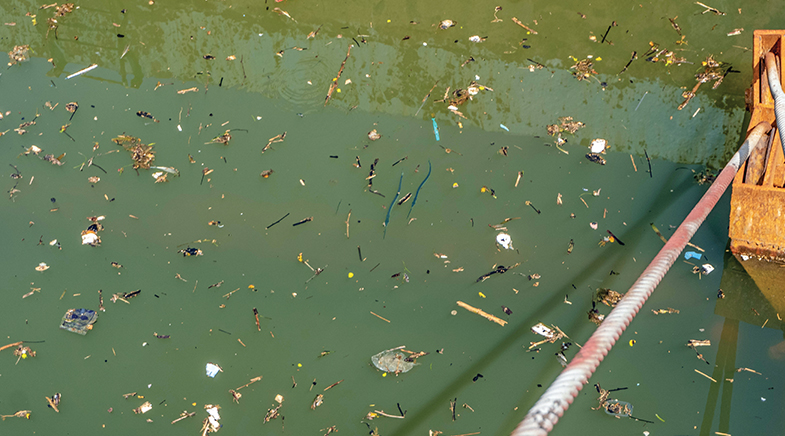
New research into electric microbes lead to green solutions.
Back in 1987, when two electric bacteria, Geobacter and Shewanella — which transfer electrons from their cells to metal oxides — were discovered, Nikhil Malvankar was a primary school student, blissfully unaware of these microbes that would one day guide his career — and give him sleepless nights and global recognition.
Malvankar wasn't always interested in microbiology. He had degrees in physics and was pursuing a PhD in superconductors at the U.S.-based University of Massachusetts Amherst when, in 2005, his supervisor began collaborating with Derek Lovley, the microbiologist who discovered Geobacter. Malvankar found himself being drawn to this new interface of biology and physics. "I felt I might be able to identify some new physics principles that allow these electrons to move in a living system. That's what really attracted me to the field," he says.
PAST ISSUES - Free to Read









World of research: August 2026
A round-up of some recent striking studies.
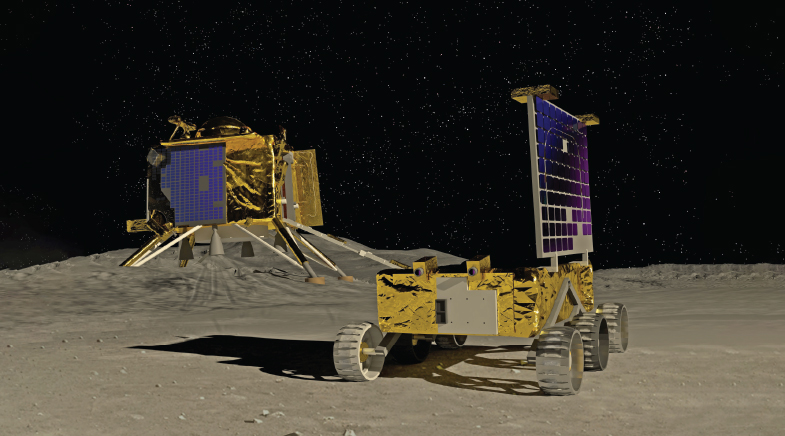
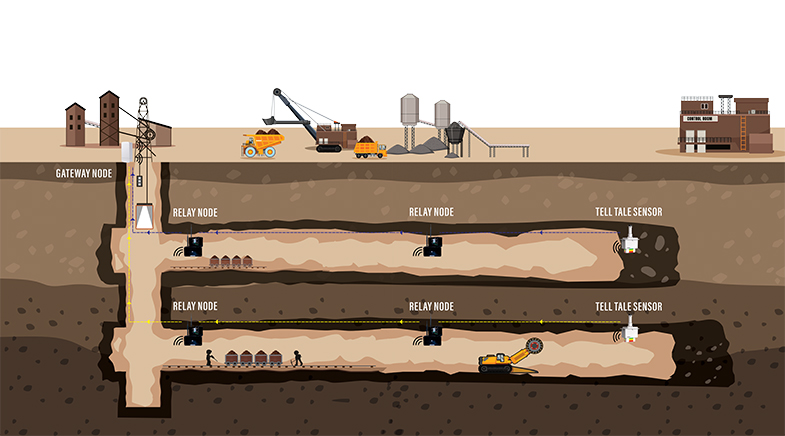
Breaking ground
Digital technologies are streamlining operations and improving safety measures in mines, saving time, money, and lives.



Have a
story idea?
Tell us.
Do you have a recent research paper or an idea for a science/technology-themed article that you'd like to tell us about?
GET IN TOUCH