

On the face of it
-
- from Shaastra :: vol 05 issue 08 :: Aug 2026
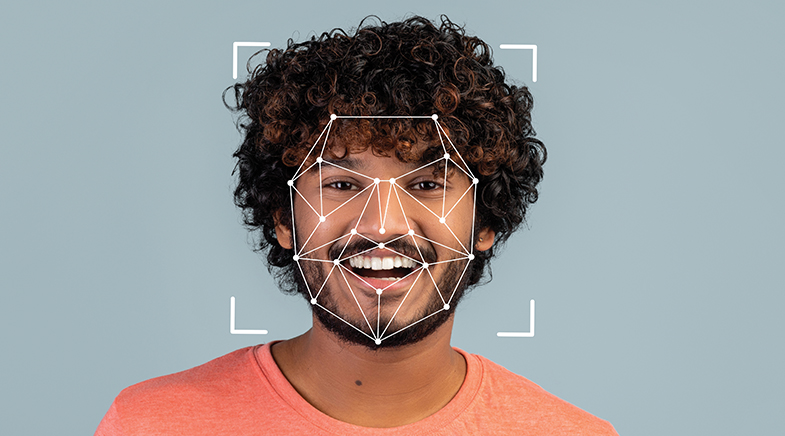
Virtually every individual face is distinctive and recognisable. Understanding the science of what makes each of us 'unique'.
What is remarkable about the way we appear is that each individual face has a recognisable, near-unique pattern. Of course, there are exceptions. Identical twins can have near-identical faces. That, along with the fact that people can look a lot like their close relatives, gives us a hint that the process that shapes our faces must have a strong inherited component. To us, at least, other animals do not appear to have readily distinguishable facial features among individuals. Those who pay attention can tell one rhesus macaque from another by looking at their faces, but to most of us, one monkey looks the same as another. Yet whether it is a monkey, a donkey, a cat, a bird or a human, the toolkit and the machinery used to shape the face are very similar. What this mechanism is, and why there is so much individual variation in some species, such as humans, and much less so in others, have been studied for long, and many aspects understood.
PAST ISSUES - Free to Read











The best of engineering and medicine
Emerging techniques from engineering are set to revolutionise the way medicine is practised and taught in the future.

The AI power drain
As companies spend trillions on infrastructure to power the next wave of technology, the environmental toll poses a critical global challenge.

Weed out pesticides from your plate
Scientists have developed cost-effective methods to detect dangerous contaminants in food.



Have a
story idea?
Tell us.
Do you have a recent research paper or an idea for a science/technology-themed article that you'd like to tell us about?
GET IN TOUCH