

Size and the single cell
-
- from Shaastra :: vol 05 issue 06 :: Jun 2026
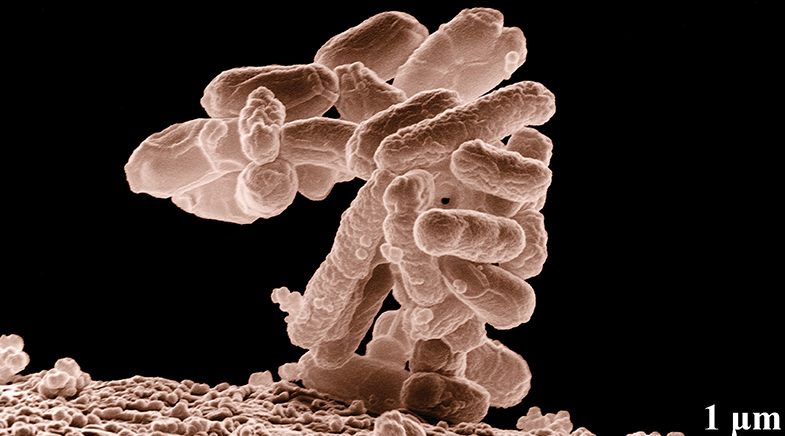
With cells, size is never just about dimensions. It is a record of evolutionary history.
Our planet is about 4.5 billion years old. Life originated on it somewhere between 3.5 billion and 4.2 billion years ago. Cells are the fundamental building blocks of life, and plants and animals are made up of many cells, specialised to perform functions in the tissues they belong to. The earliest forms of life were unicellular, and likely very simple. A membrane barrier protected the cell from the outside, yet it would have been porous enough to allow nutrients to enter and waste to leave. At the core of the inside of the cell would be the machinery to convert 'food' into energy that powers the cell. The essence of life is the ability to replicate. The information to create a new cell lies in the cell's genetic material, and a new cell is created by the interaction of the cellular environment with the genetic material: nucleic acids such as RNA or DNA.
PAST ISSUES - Free to Read








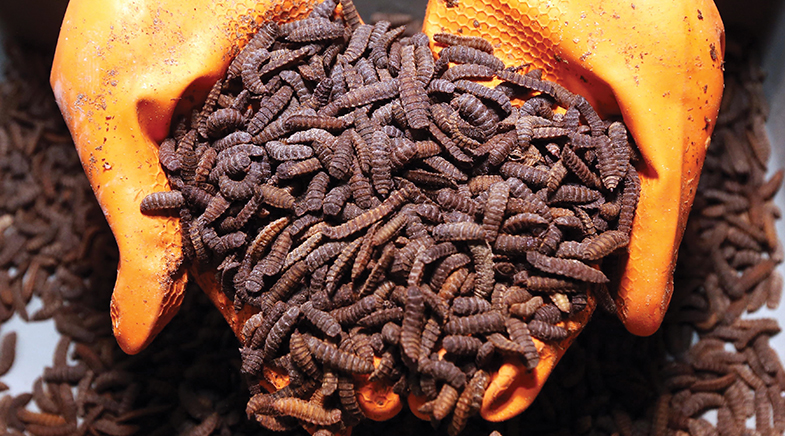
Pigment power
Melanin is being used in a host of fields — from beauty and biology to chemistry.
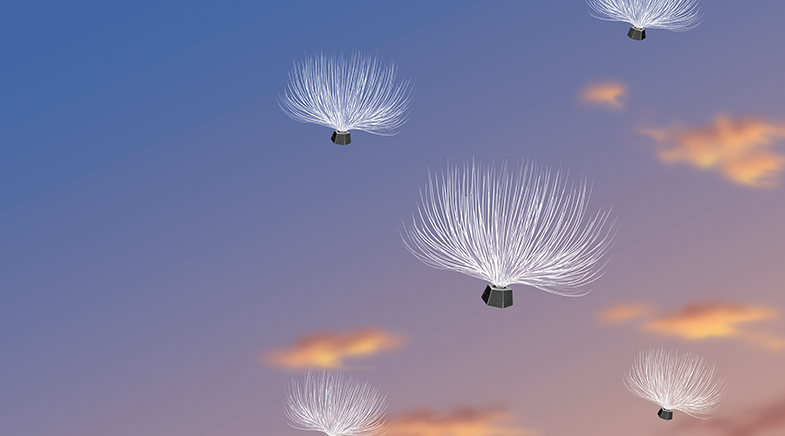
Light is right
Technology is helping products shed weight, optimising safety and energy.



Have a
story idea?
Tell us.
Do you have a recent research paper or an idea for a science/technology-themed article that you'd like to tell us about?
GET IN TOUCH