

Backwater biomes help cool the Earth
-
- from Shaastra :: vol 05 issue 07 :: Jul 2026
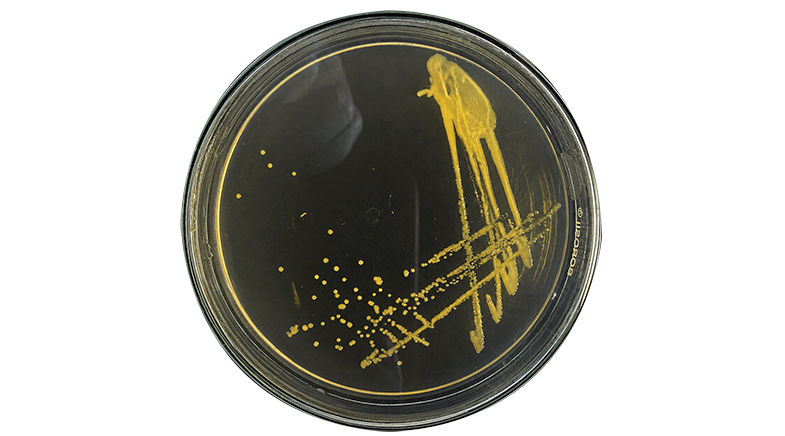
Cochin Estuary's microbiome plays a role in the global sulphur cycle.
Kerala is inseparable from its beautiful backwaters lined with tall coconut trees. A part of these famed waters is the Cochin Estuary, an extensive network of waterways impacted by the southwest monsoon. The estuary, however, is not only a hotspot for tourism and trade; its sediments are home to microbes that are an essential link in the global sulphur cycle, finds a study published in The Open Biotechnology Journal (bit.ly/marine-bacteria).

In water and sediment samples drawn from 15 sites along the estuary during pre-monsoon, monsoon and post-monsoon seasons from 2015 to 2018, researchers looked for microbes that break down an organic sulphur compound found in the ocean into a lesser-known, climate-relevant gas.
One of the most abundant marine organosulphur compounds, dimethylsulfoniopropionate (DMSP) is produced by marine phytoplankton such as diatoms, coccolithophores and dinoflagellates. DMSP becomes available to marine bacteria when it is released into the surroundings by living and dead phytoplankton.
The fate of this DMSP depends on the bacteria metabolising it, says study co-author Doniya Elze Mathew, who was previously with CMS College Kottayam. "If DMSP is demethylated or oxidised, it will remain in the microbial food web." When it undergoes enzymatic cleavage by marine bacteria, it enters the sulphur cycle as dimethyl sulphide (DMS). DMS is a volatile gas released from the ocean into the atmosphere, where it helps regulate the planet’s radiation balance by forming cloud condensation nuclei that reflect sunlight and cool the Earth. Mathew believes the study has implications for climate change.
The researchers believe the study has implications for climate change.
Lead author Dibu Divakaran isolated 112 bacterial strains from water samples and 211 from the sediments he had collected as part of his doctoral research at the Cochin University of Science and Technology. He cultured these back in the lab and used molecular methods to identify four DMSP-utilising bacteria that successfully grew on a DMSP-enriched medium – Acinetobacter calcoaceticus, A. beijerinckii, Bacillus cereus and Lysinibacillus fusiformis.
DMSP is metabolised by bacteria through DMSP-degrading ddd genes, says Divakaran. "These genes are responsible for its breakdown to DMS." He searched for genes that encode DMSP-degrading enzymes and found the gene for DddP lyase in one of the species, A. calcoaceticus – further proof of DMS release in the Cochin Estuary.
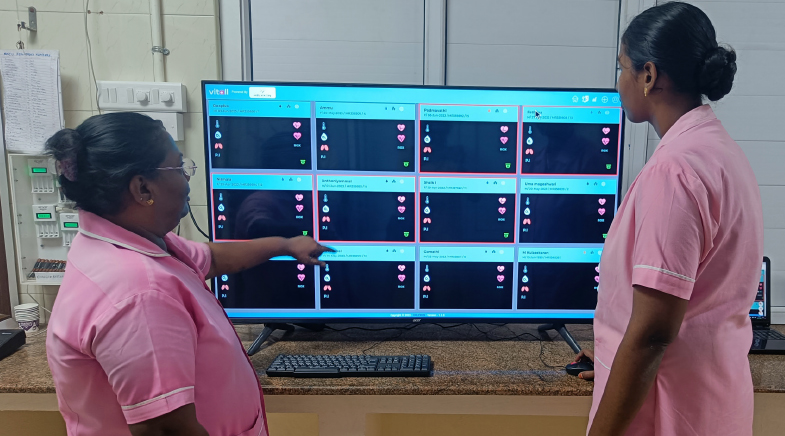








Medtech marvels
Contactless remote monitoring, smart ICUs, and AI-enabled diagnoses are helping hospitals overcome shortages of physicians and beds.
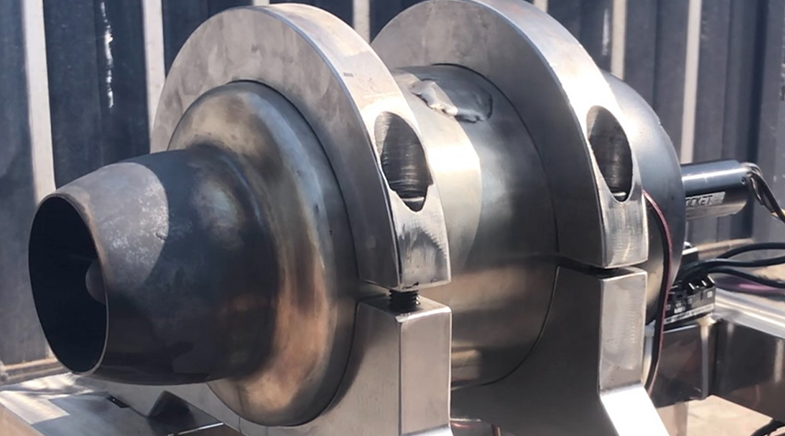

These start-ups are speedy and smooth
Start-ups are working on high-quality silk, indigenous multi-fuel jets, and rapid, point-of-care blood test results.
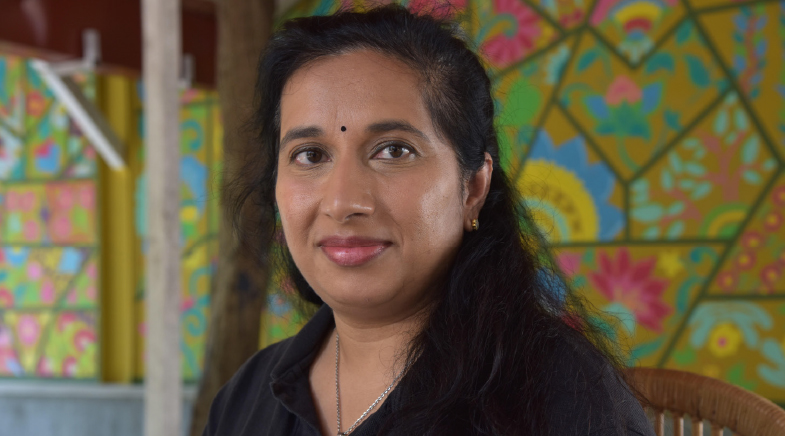
Swati Mohan has Mars on her mind
NASA engineer Swati Mohan on the significance of the Mars missions for future space explorations.



Have a
story idea?
Tell us.
Do you have a recent research paper or an idea for a science/technology-themed article that you'd like to tell us about?
GET IN TOUCH