

Light. Action. Reaction.
-
- from Shaastra :: vol 05 issue 06 :: Jun 2026

Fresh insights into molecule building could explain photosynthetic efficiency.
Molecules drive the dramatic world of atomic physics and chemistry. In this pantheon, organic molecules essential for life are almost universally larger than inorganic molecules: DNA, for instance, is made up of millions of carbon atoms. The formation of the first large and complex molecules from the small cores in the cold, rarefied interstellar medium is among the longstanding mysteries of science.
A team led by G. Aravind, Assistant Professor in the Department of Physics, Indian Institute of Technology (IIT) Madras, has proposed a pathway for building large molecules from smaller blocks in research published in Nature Chemistry (bit.ly/CoulombicDecay). Their further research on the topic and subsequent findings might answer another fundamental question: the sheer efficiency of light absorption during photosynthesis. The process by which plants convert carbon dioxide and water, in the presence of light, into food, namely glucose, entails several puzzling aspects; for instance, the efficiency with which incident light is absorbed by chlorophyll molecules.
Saroj Barik, one of Aravind's former PhD scholars and now a postdoctoral researcher at The Hebrew University of Jerusalem, was initially interested in studying the behaviour of negative ions in the interstellar medium when light fell on them. However, certain unexpected results from his study of pyridine, a molecule common in the interstellar medium, changed the course of his research.
PAST ISSUES - Free to Read

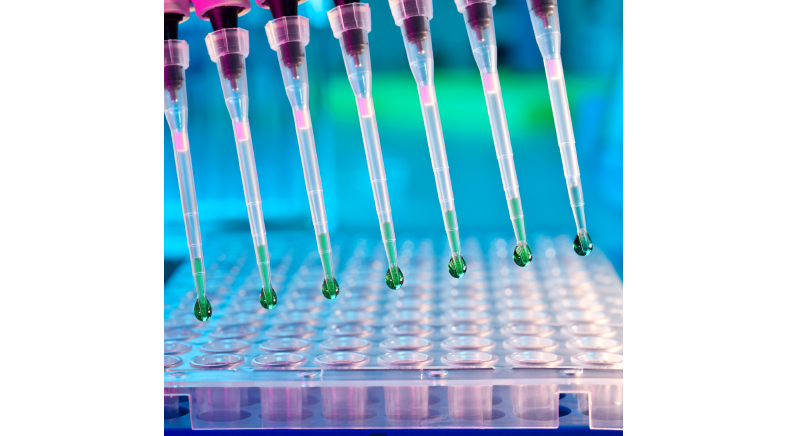








Bug sleuthing gets a boost
DNA sequencing is helping fight infections in the ICU.

Shaastra: a channel of all knowledge
Shaastra fills a vacuum: the magazine will report, illuminate and critique India's progress as a research nation.
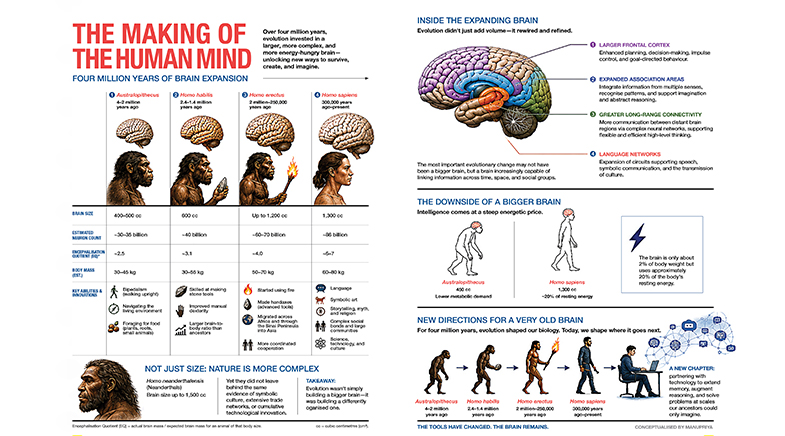
The making of the human mind
FOUR MILLION YEARS OF BRAIN EXPANSION



Have a
story idea?
Tell us.
Do you have a recent research paper or an idea for a science/technology-themed article that you'd like to tell us about?
GET IN TOUCH