

On the same page
-
- from Shaastra :: vol 05 issue 02 :: Feb 2026
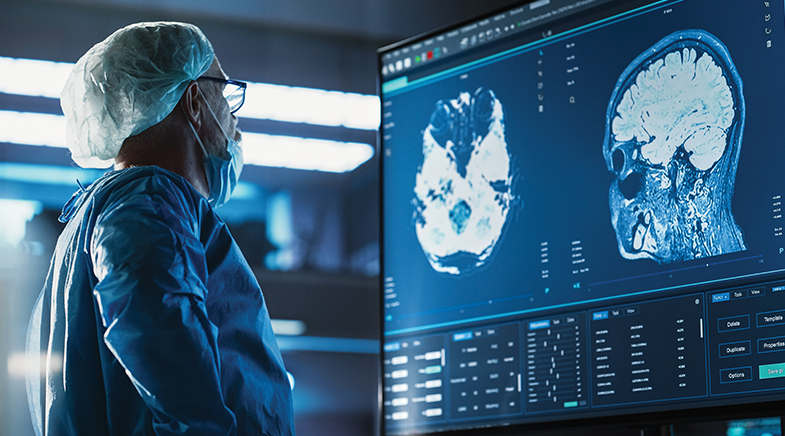
A new knowledge base brings order to data on brain science.
Over the past two decades, researchers have identified thousands of genes and proteins linked to human brain diseases. They have mapped molecular pathways involved in brain development, brain tumours, neurodegenerative diseases, and psychiatric illnesses. They have catalogued how proteins rise and fall as certain diseases progress, and they have tested hundreds of candidate drugs. Yet, much of this knowledge paradoxically remains unassimilated, scattered across multiple databases, research papers, and clinical trial registries.
Five years ago, Sanjeeva Srivastava, a protein researcher and faculty member at the Indian Institute of Technology (IIT) Bombay, encountered this fragmentation firsthand. Working with collaborators in Spain and the U.K., Srivastava and his students had mapped 3,300 proteins across 19 regions in both the left and the right hemispheres of the human brain, identifying molecular markers associated with healthy brain function and disease. The researchers released their data through a publicly accessible portal, giving scientists worldwide a detailed protein map of the brain, a launch pad for new discoveries.
As his own data sat apart from vast stores of molecular and clinical information, Srivastava grew concerned that neuroscience was mistaking accumulation with understanding. He asked a broader question: could a larger database – a knowledge repository – seek to pool everything known about the brain into a format that could make even hidden connections visible?
A research team led by Srivastava has now assembled a knowledge base called BrainProt. This platform seeks to unify available data on proteins, molecular markers, and clinical trials across 56 human brain diseases (bit.ly/BrainProt-platform). "BrainProt is intended to help researchers look for and find novel connections that previously lay buried in the disconnected datasets," says Srivastava, Professor in the Department of Biosciences and Bioengineering at IIT Bombay.
Fragmentation can slow or even stall progress in subtle but significant ways. Information relevant to specific brain disorders – which genes are activated or suppressed; which proteins rise or fall; which molecular markers change as a disease progresses; which molecules might serve as treatment targets; and which drugs have been tested in patients – exists in abundance. However, this information is distributed across datasets that rarely communicate with one another. What is often missing is not data itself, but a way to assess how consistently different strands of evidence point in the same direction.
Each time a neuroscience group reports new findings, it adds another layer of data that goes into databases centred on a specific disease or dataset. Efforts to connect the layers often require researchers to shuttle between dozens of data sources, reconcile chunks of data from incompatible formats, and manually assemble evidence from the disparate sources. Links that connect genes to proteins, proteins to molecular pathways, and pathways to disease may remain obscured, a problem made especially acute by the brain's inherent complexity.
An earlier project on a class of aggressive brain tumours called meningiomas illustrated the consequences of this fragmentation – and the ideas that would later shape BrainProt. Brain tumours can be removed through surgery, but aggressive forms are difficult to eliminate entirely and often return, creating an urgent need for new treatments. Srivastava's team analysed molecular pathways that drive these tumours, searching for vulnerable points where growth could be disrupted and for existing drugs that might be repurposed.
Their research showed that in laboratory studies, belumosudil, a drug approved by the U.S. Food and Drug Administration to regulate immune responses, can slow the growth of aggressive meningioma cells. The drug appears to act by increasing biological stress in cancer cells, disrupting their energy centres and triggering cell death. Because belumosudil is already approved for clinical use, its exploration as a potential therapy for meningiomas could proceed faster. The work also revealed how difficult it can be to uncover therapeutic connections when molecular and clinical evidence are scattered (bit.ly/belumosudil-profile).
BrainProt attempts to address this by aggregating data from thousands of studies into a single searchable framework. Unlike earlier resources that focused on a single disease or data type, the platform is designed to enable researchers to trace connections across genes, proteins, pathways, drugs, and trials simultaneously. The current version features 20,202 genes associated with human diseases, 136,557 known interactions between drugs and their target proteins, and detailed information relating to hundreds of clinical trials.
PAST ISSUES - Free to Read








The ideas factory
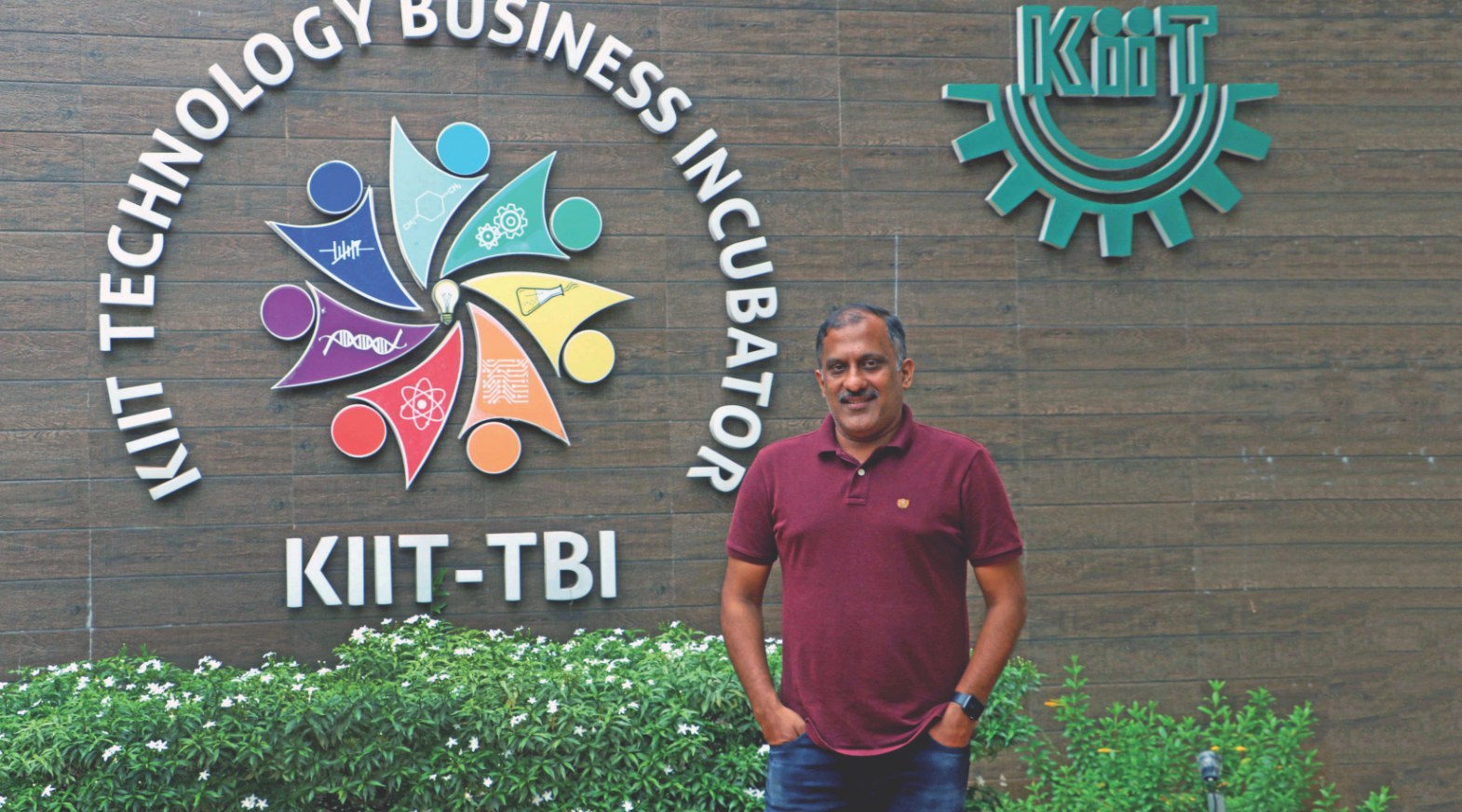
The KIIT Technology Business Incubator in Bhubaneswar punches above its weight in churning out successful start-ups. What's its secret sauce?

There will be blood!
That's the promise of researchers and start-ups working on novel ways to transport and store the life-saving fluid to serve blood-poor parts of India.



Have a
story idea?
Tell us.
Do you have a recent research paper or an idea for a science/technology-themed article that you'd like to tell us about?
GET IN TOUCH